
 ES
ES  EN
EN 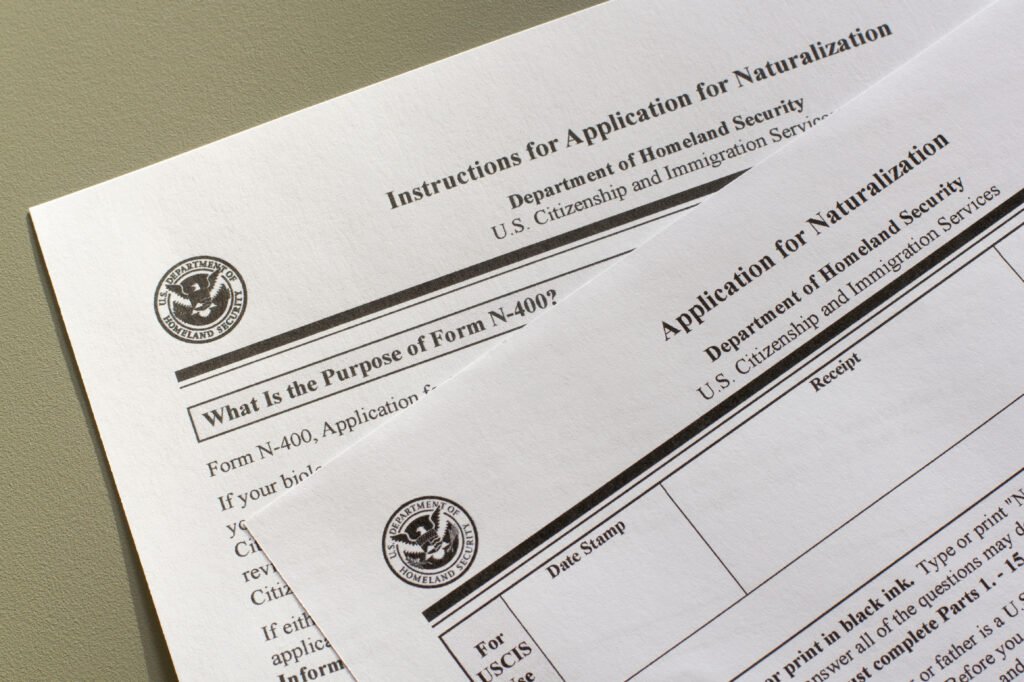
For many lawful permanent residents, becoming a naturalized United States citizen is one of the most important steps they will ever take. Citizenship can provide stability, security, and a stronger sense of belonging. It can also open the door to important rights and benefits, including the right to vote, the ability to apply for a United States passport, and broader opportunities to petition for qualifying family members.
Even so, the naturalization process is not as simple as living in the United States for a certain number of years and filing an application. The United States Citizenship and Immigration Services (USCIS) applies a detailed legal standard to every naturalization case. Applicants must satisfy several requirements, and each one matters. A person may appear eligible at first glance but still face problems due to prior travel, criminal history, errors in earlier immigration filings, or confusion about the correct filing timeline.
Lawful Permanent Resident Status Comes First
The starting point for naturalization is lawful permanent resident status. In general, a person must already be a lawful permanent resident before applying for citizenship. Most often, that means the applicant must hold a green card and have obtained lawful permanent resident status.
USCIS does not simply assume that permanent resident status is beyond review. During the naturalization process, the agency may review the applicant’s immigration history. If there are inconsistencies, prior misrepresentations, or concerns about how lawful permanent residence was obtained, those issues can surface during the review of the naturalization application.
In addition, the applicant generally must be at least 18 years old to file a standard naturalization application. While some children may acquire citizenship through a parent under different rules, the standard naturalization process discussed here applies to adults filing for citizenship on their own behalf.
The General Five-Year Rule
For most lawful permanent residents, the path to naturalization is based on the five-year rule. Under this general requirement, the applicant must have been a lawful permanent resident for at least five years before becoming eligible to naturalize.
This is the timeline that applies in many straightforward cases. However, even under the five-year rule, USCIS is not just counting years from the date a green card was issued. The agency also examines whether the applicant maintained continuous residence, spent enough time physically present in the United States, lived in the proper jurisdiction before filing, and demonstrated good moral character throughout the relevant period.
Some applicants make the mistake of focusing only on the five-year mark and assuming they are ready to file the moment that date arrives. In reality, the timing must be reviewed alongside every other requirement. Filing too early or filing without fully understanding the legal standard can lead to delay or denial.
The Three-Year Rule for Certain Spouses of United States Citizens
Some lawful permanent residents may qualify for naturalization in three years instead of five. This shorter timeline is often available to applicants who have been married to and living with a United States citizen spouse for the required period.
Although this rule can be very helpful, it is also frequently misunderstood. A person does not automatically qualify under the three-year rule simply because they are married to a United States citizen at the time they file. USCIS looks more closely than that. The agency examines whether the applicant has been living in a marital union with the citizen spouse during the relevant period and whether the spouse has, in fact, been a United States citizen for that same period.
This means that separation, divorce, or certain changes in the marital relationship can affect eligibility. An applicant who assumes the three-year rule applies without carefully reviewing the facts may file under the wrong category. When that happens, the mistake can create unnecessary complications in a case that might otherwise have been avoidable with proper legal guidance.
Early Filing Can Help, but Timing Still Matters
USCIS generally allows many naturalization applicants to file up to 90 days before they complete the full required period of lawful permanent residence. This early filing option can be useful, especially for applicants who want to move the process forward as soon as possible.
However, early filing must be handled carefully. It does not erase the need to satisfy every legal requirement. The applicant must still qualify under the proper timeline, and the facts must support eligibility under the correct filing category. A naturalization case that is filed just a little too soon, or filed under the wrong rule, may face delay or denial.
For that reason, determining eligibility is not just a matter of checking one date on the green card. It involves examining residence history, travel history, marital status, if relevant, and the full statutory period applicable to the case.
Continuous Residence Is a Critical Part of the Analysis
One of the most important naturalization requirements is continuous residence. This requirement concerns whether the applicant has maintained the required residence in the United States for the relevant statutory period.
For most applicants, that period is five years. For certain applicants applying through marriage to a United States citizen, the wait may be 3 years. In either situation, USCIS wants to see that the applicant has maintained the necessary connection to the United States during that time.
Continuous residence is often misunderstood. Many people believe that as long as they consider the United States their home, they will satisfy this requirement. USCIS applies a more structured legal analysis. Extended trips outside the country can raise serious questions about whether continuous residence has been broken.
An absence of more than six months but less than one year may create a presumption that continuous residence was disrupted. An absence of one year or more will generally break continuous residence for naturalization purposes unless a very limited exception applies. That means even a lawful permanent resident who has lived in the United States for many years may need to wait longer before applying if their travel history interrupts the required period.
This is one of the most common reasons that otherwise eligible applicants encounter problems during naturalization.
Physical Presence Is a Separate Requirement
Continuous residence is not the same as physical presence. A person applying for naturalization must usually satisfy both.
Physical presence refers to the amount of actual time the applicant spent inside the United States during the relevant statutory period. Under the general five year rule, the applicant usually must have been physically present in the United States for at least 30 months out of the five years before filing. Under the three year rule for certain spouses of United States citizens, the applicant usually must have been physically present for at least 18 months during the three years before filing.
This distinction matters. An applicant may believe they maintained residence in the United States because they kept a home here, paid bills here, or intended to return after travel abroad. Even so, USCIS still counts the number of days the applicant was actually present in the country. If the total time abroad is too high, the applicant may not meet the physical presence requirement even if other parts of the case appear strong.
Because of this, naturalization applicants should review travel records carefully before filing. Passport stamps, airline history, prior immigration forms, and government records may all become relevant if USCIS questions the dates listed in the application.
Residence in the Proper State or District Also Matters
Naturalization applicants must do more than prove they lived in the United States generally. They also must establish residence in the state or USCIS district where the application is filed.
In most cases, the applicant must have lived for at least three months in the state or district that has jurisdiction over the place of residence. This rule can become important for applicants who recently moved, split time between homes, or relocate shortly before applying.
It may seem like a technical point, but jurisdiction matters in immigration cases. Filing in the wrong location or filing before the local residence requirement is met can complicate the case and lead to avoidable delay.
Good Moral Character Is More Than a Background Check
Another major requirement for naturalization is good moral character. USCIS requires applicants to show good moral character during the statutory period that applies to the case. For most people, that means the five years before filing and continuing until the oath ceremony. For certain marriage based applicants, the period is generally three years.
Good moral character is broader than many people expect. It is not limited to whether the applicant has a serious criminal conviction. USCIS may examine many types of conduct, including criminal history, tax problems, false statements, prior immigration fraud, failure to support dependents, and other facts the agency considers relevant.
Even issues that seem minor to the applicant can become significant in a naturalization case. Arrests that did not lead to conviction, older offenses, probation, unresolved court matters, and inaccuracies in prior filings can all deserve careful legal review. In some circumstances, filing for naturalization without first understanding those risks can expose the applicant to consequences beyond a simple denial.
Honesty Throughout the Process Is Essential
Truthfulness matters at every stage of the naturalization process. The written application must be accurate. The supporting documents must be complete. The answers given during the naturalization interview must be honest and consistent.
USCIS places great weight on credibility. If the agency believes an applicant intentionally concealed information or made false statements to obtain an immigration benefit, the consequences can be serious. That may include denial of the naturalization application and, in some cases, broader immigration consequences.
Applicants should be particularly careful when answering questions about arrests, citations, travel history, prior names, past immigration filings, voter registration, and any claim of United States citizenship. These are not areas for guesswork or informal assumptions. Accuracy matters, and inconsistencies can be damaging even when the applicant otherwise appears eligible.
The English and Civics Requirements
Most naturalization applicants must also satisfy English and civics requirements. These are part of the broader naturalization interview and testing process.
The English portion generally includes speaking, reading, and writing. The civics portion tests knowledge of United States history and government. These requirements are important, but they should not be viewed in isolation. The naturalization interview is not just a test of memorization. It is also the point at which USCIS reviews the full application, confirms eligibility, and asks questions about the applicant’s background.
An applicant who prepares only for the civics questions but does not understand the broader interview process may still feel unprepared when the day arrives. Effective preparation should include both legal review of the case and practical preparation for the interview itself.
Some Applicants May Qualify for Exceptions
There are important exceptions and accommodations in certain naturalization cases. Some applicants may qualify for an exemption from the English language requirement based on age and the length of time they have held lawful permanent resident status. Others may qualify for special consideration on the civics portion.
There is also a medical disability exception for certain applicants who cannot satisfy the English or civics requirements because of a qualifying physical, developmental, or mental condition. These cases typically require specific supporting documentation and careful preparation.
The existence of an exception does not mean USCIS will grant it automatically. The applicant must still meet the legal standard and provide the documentation necessary to support the request. For that reason, cases involving exceptions or accommodations often benefit from close legal guidance before filing.
The Oath of Allegiance Completes the Process
Even after USCIS approves the naturalization application, the process is not complete until the applicant takes the Oath of Allegiance. This is the final legal step in becoming a United States citizen.
The oath reflects the seriousness of naturalization. USCIS requires applicants to demonstrate attachment to the principles of the Constitution and a willingness to accept the responsibilities of citizenship. Once the oath is taken, the naturalization process is complete and the individual becomes a United States citizen.
For many applicants, this is a meaningful and emotional moment. It represents the conclusion of years of effort and the beginning of a new chapter.
Why Legal Guidance Can Make a Difference in a Naturalization Case
Naturalization may sound straightforward when summarized in a few sentences, but actual cases are often more complex. Travel history must be calculated carefully. Marriage based eligibility must be confirmed. Criminal and immigration records may need to be reviewed. Tax history, prior applications, and possible inconsistencies in the record can all affect the outcome.
A person may be legally eligible for citizenship and still face unnecessary problems because the application was prepared carelessly. In other cases, an applicant may not realize there is a serious legal issue until USCIS raises it at the interview.
That is why careful preparation matters. A well prepared case does more than complete forms. It identifies potential issues early, confirms the correct filing strategy, and presents the application in a way that is accurate, complete, and legally sound.
Trust Sunday Law With Your Naturalization and Immigration Case
Becoming a United States citizen is too important to approach without the right legal guidance. If you are thinking about applying for naturalization, you deserve more than general information. You deserve advice tailored to your history, timeline, and immigration goals.
At Sunday Law, we understand that no two immigration cases are exactly alike. Some clients need help confirming whether they qualify under the five-year rule or the three-year marriage-based rule. Others need guidance after extended travel abroad, prior arrests, application delays, or concerns about how earlier immigration filings may affect the naturalization process. Many simply want the confidence that comes from knowing their application has been prepared correctly from the start.
Our firm is committed to helping clients move through the immigration process with clarity and confidence. We take the time to understand the facts of each case, identify potential issues before they become larger problems, and provide strategic guidance throughout the process. Whether you are preparing to file Form N 400, responding to concerns in a pending case, or dealing with a more complicated immigration matter, experienced legal support can make a meaningful difference.
Naturalization is not only about forms and deadlines. It is about your future, your family, and your place in this country. Sunday Law is here to help you protect that future and pursue citizenship with the care your case deserves.
If you are ready to apply for naturalization or need guidance with any immigration matter, contact Sunday Law to discuss your case. The right legal advice at the right time can help you avoid costly mistakes and move forward with greater confidence.