



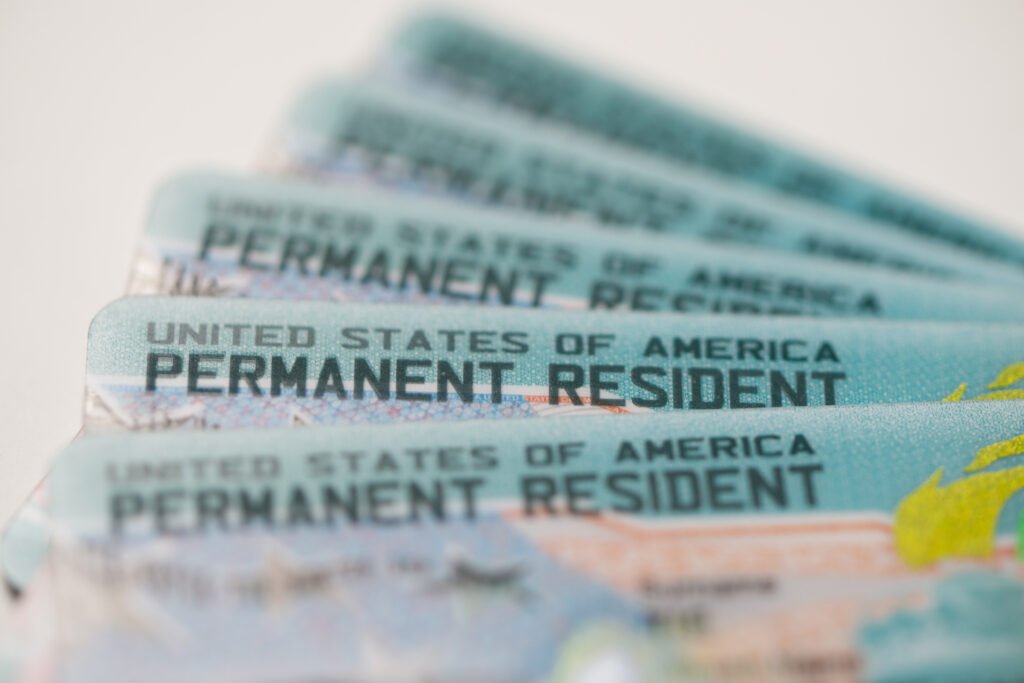
If you have recently received your green card or are working toward permanent residency in the United States, you have probably heard about the 5-year rule. It sounds straightforward, but there are details that trip people up all the time. At Suday Law, we work with permanent residents every day who have questions about what this rule actually means, how it applies to their situation, and what exceptions exist. Understanding these details can make a significant difference in your journey toward U.S. citizenship.
The Basic Idea Behind the 5-Year Rule
The 5-year rule refers to the waiting period that most green card holders must complete before they can apply for U.S. citizenship through a process called naturalization. When you become a lawful permanent resident, the clock starts ticking. In most cases, you must hold your green card for at least five years before you are eligible to file your naturalization application.
This waiting period exists because citizenship is a significant step. The U.S. government wants to ensure that permanent residents have had enough time to establish roots, demonstrate good moral character, and show a genuine commitment to life in the country. The 5-year rule is essentially the foundation of that evaluation.
What the Five Years Actually Require
Simply holding a green card for five years is not the only requirement. During those five years, you must also meet several conditions to remain on track for naturalization. Here is what is expected of you during that period:
- Continuous residence: You must have lived continuously in the United States for at least five years after receiving your green card. Long trips abroad can interrupt this requirement, so travel needs to be managed carefully.
- Physical presence: You must have been physically present in the United States for at least 30 months out of those five years. This is different from continuous residence and is calculated separately.
- Good moral character: You must demonstrate good moral character throughout the five-year period. Certain criminal offenses or violations of immigration law can disqualify you.
- State residence: You must have lived in the state or USCIS district where you plan to file your application for at least three months before applying. Meeting all of these conditions together is what truly satisfies the 5-year rule. Missing even one can delay your application or result in a denial.
When the Waiting Period Is Shorter
Not everyone has to wait five years. There are well-established exceptions that reduce the waiting period for certain green card holders.
The most common exception applies to spouses of U.S. citizens. If you are married to and living with a U.S. citizen, your waiting period is reduced to three years. You must have held your green card for three years, been married to the same U.S. citizen for those three years, and remain married at the time you file your application.
Other exceptions include:
- Military service members: Those who have served honorably in the U.S. armed forces may be eligible to apply after just one year of service, and in some cases, there is no waiting period at all during active hostilities.
- Refugees and asylees: If you entered the United States as a refugee or were granted asylum, your residency is counted from a date that may be earlier than when your green card was officially issued, which can shorten your effective waiting time.
- Special immigrant categories: Certain religious workers, employees of U.S. government organizations, and others may qualify for different timelines depending on their classification.
Common Mistakes That Reset the Clock
One of the most important things to understand about the 5-year rule is that certain actions can interrupt your continuous residence, effectively resetting part of your waiting period. This catches many people off guard.
Trips outside the United States are the most frequent issue. If you leave the country for more than six months at a time, USCIS may determine that you have broken your continuous residence. If you are outside the U.S. for more than one year, there is a strong legal presumption that your continuous residence has been abandoned entirely.
To protect yourself during extended travel, you can apply for a reentry permit before leaving. This document allows you to stay outside the United States for up to two years without automatically losing your continuous residence status. It does not guarantee that USCIS will overlook a long absence, but it is a strong protective measure.
Other actions that can create problems include:
- Failing to file U.S. tax returns as a resident
- Claiming to be a non-resident on tax documents or for benefits purposes
- Moving abroad with no clear intention to return
- Receiving a conviction for certain criminal offenses
When You Can Actually Submit Your Application
Here is a practical detail that many people overlook. USCIS allows you to file your naturalization application up to 90 days before you reach the five-year mark. You do not have to wait until the exact anniversary of your green card date to get started.
This 90-day early filing window can be valuable because naturalization applications take time to process. Filing a little early means your interview and oath ceremony may be scheduled closer to or shortly after your actual eligibility date, rather than months after. It is a simple planning tool that can shave meaningful time off the overall process.
How the Rule Connects to the Broader Naturalization Process
The 5-year rule is just the starting point. Once you meet the residency and physical presence requirements, you will still need to complete the full naturalization process, which includes:
- Filing Form N-400, Application for Naturalization
- Attending a biometrics appointment for fingerprinting
- Completing an interview with a USCIS officer
- Passing the civics and English language tests
- Attending the naturalization ceremony and taking the Oath of Allegiance
- Need to be 18 years of age to apply for Naturalization
Processing times vary significantly depending on the USCIS field office handling your case and current application volumes. In recent years, processing has taken anywhere from several months to well over a year in some locations. Starting the process as early as you are eligible is generally the best approach.
Your Path to Citizenship Starts with the Right Guidance
Understanding the 5-year rule is a meaningful first step, but navigating the full naturalization process on your own can be overwhelming. Immigration law has many moving parts, and small mistakes on your application or during travel can have consequences that are difficult to reverse. At Suday Law, the goal is to help people navigate the process with confidence and clarity. Whether you are just beginning to track your five-year period or you are ready to file your N-400, working with an experienced immigration attorney gives you the best chance of a smooth and successful outcome. Do not leave something as important as your citizenship to chance. Reach out to Suday Law today and take that next step toward becoming a U.S. citizen.